
A motorcycle accident is one of those events that no rider wants to face. However, knowing what to do immediately afterward can make a big difference to your safety and how well you recover. The moments after a crash are very important—taking the right actions can protect your health and help with any legal or insurance matters later on. This guide will explain simple, clear steps to follow, so you know exactly what to do if you find yourself in this situation.
When something unexpected happens, it’s easy to feel confused or unsure. But having a plan ready can save time, prevent extra injuries, and protect your rights. From making sure you are safe to reporting the accident properly, this article covers everything with care and simple advice. Let’s get started.
Immediate Steps After the Accident
1. Ensure Your Safety First
The first thing to do after any motorcycle accident is to try to move to a safe place. If you can, get out of the road and away from moving vehicles. Staying in the middle of traffic can be very dangerous because other drivers might not see you in time. If moving your bike safely is possible, do so, but only if you are not hurt. Often, it is better to leave the bike where it is to avoid worsening any injuries.
Keep your helmet and protective gear on until medical help arrives. Many riders want to remove their helmets immediately, but this can cause serious harm if you have a head or neck injury you don’t know about. Simply find a safe spot to stay and wait for emergency responders. Keeping still helps avoid making injuries worse before professionals arrive.
2. Call Emergency Services Immediately
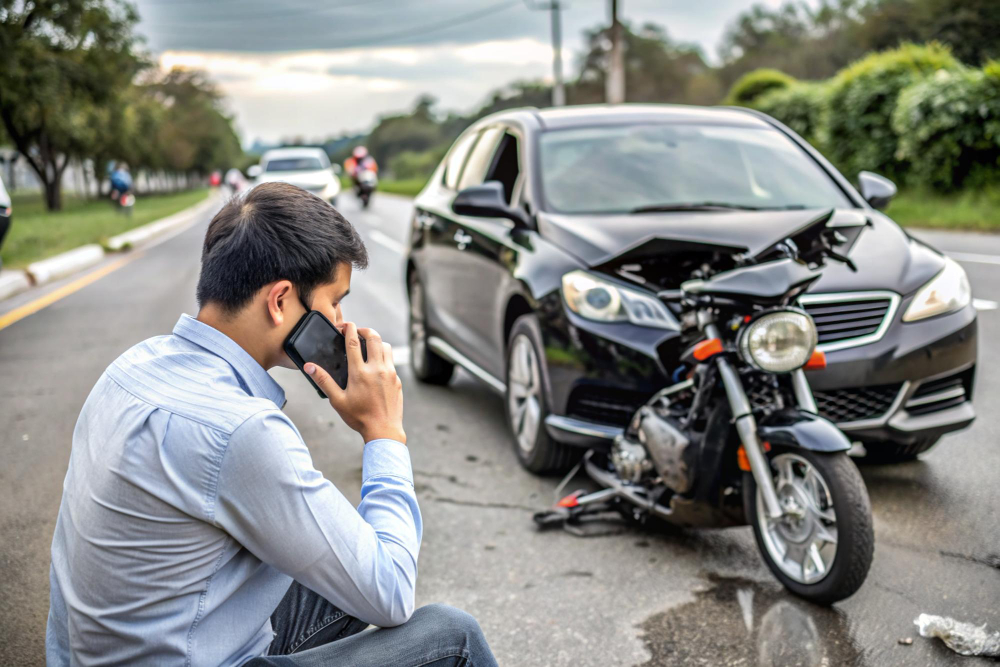
After securing your safety, the next important step is to call emergency services. Dial 911 or the local emergency number as soon as possible. If you are unable to call, try to get the attention of a bystander to make the call for you. When talking to emergency staff, be clear about your location and the nature of the accident.
Calling for help quickly means trained medical workers can be sent to the scene, which is very important even if you feel okay. Many injuries, like internal bleeding or concussions, are not always visible right away but can be very serious. Emergency responders can also help manage traffic and contact the police.
3. Check Yourself and Others for Injuries
While waiting for help, take a moment to check yourself for any signs of injury. Look for pain, bleeding, or difficulty moving any part of your body. Remember that adrenaline can hide pain, so even if you feel alright, take care not to move too much or take off your helmet.
If there are other people involved in the crash, check on them as well. Help only if you can do so safely and without risking your own health. It’s best to wait for medical professionals to arrive to treat anyone who is hurt.
Documenting the Accident Scene
1. Gather Evidence Thoroughly
Once you and everyone else are safe and emergency services have been contacted, it’s important to document what happened. Take photos of the accident scene using your phone or camera. Capture your motorcycle, any other vehicles involved, the road, nearby signs, and weather conditions. This kind of evidence is useful for insurance claims and legal purposes.
Try to get pictures from different angles to show the full picture. Also, note the exact time and location of the accident so you have a clear record of the event. Keeping evidence intact helps prove your case, especially if fault is disputed.
2. Exchange Information with Other Parties
Next, exchange important contact details with everyone involved in the crash. This includes names, phone numbers, addresses, driver’s license numbers, and insurance information. Be polite and stick to the facts—avoid admitting fault or speculating about what happened.
Try to get contact details from any witnesses who saw the accident. Witnesses might help support your story later on if needed. Write down or record their names and numbers so you don’t lose this information.
3. File a Police Report
It is very important to have an official police report of the accident. When the police arrive, give an honest and clear statement about what happened without guessing or blaming others. The police will record details and create an official report, which can be requested later for insurance or legal claims.
In many cases, insurance companies require the police report before they process claims. Make sure you know how to get a copy of the report after it is filed.
Medical Attention and Follow-Up Care
1. Seek Immediate Medical Attention
Even if you think your injuries are minor, go see a doctor as soon as possible after the accident. Some injuries, like concussions or internal bleeding, may not show symptoms right away but can be dangerous if ignored. Getting a professional evaluation is key.
Medical care not only helps you heal but also creates important records. These records serve as proof of injury and treatment if you later file a claim for compensation.
2. Follow Through with Medical Treatment
If your doctor prescribes treatments or follow-up visits, attend them without fail. Skipping appointments can hurt your recovery and make insurance or legal matters more difficult. Keep a detailed record of all medical visits, bills, and treatments.
Take care of both visible injuries and any mental or emotional challenges after the accident. Recovery takes time, but sticking to your treatment plan leads to better results.
Legal Protection and Insurance Claims
1. Notify Your Insurance Provider Carefully
Contact your insurance company to report the accident as soon as you can. Provide only the facts about what happened without admitting fault or making guesses. Be cautious with recorded statements; it may be best to speak with a lawyer before giving such statements.
Insurance companies often look for ways to limit payouts. Clear and careful communication protects your rights and helps the claims process go more smoothly.
2. Preserve Physical Evidence
Keep your damaged motorcycle, helmet, and any gear as they are, without repairing or discarding them. These items can be important evidence for your injury claim. Avoid moving or fixing anything until you are told it is okay.
When insurance adjusters or lawyers review your case, physical evidence helps prove what happened and backs up your injuries.
3. Consult a Motorcycle Accident Attorney
If the accident caused serious injury or damage, it’s wise to talk to a lawyer who specializes in motorcycle accidents. Many offer free consultations to explain your rights and options.
A skilled lawyer can help you deal with insurance companies, advocate for fair compensation, and handle any legal complexities. Early legal advice ensures you don’t miss important deadlines or make mistakes that could hurt your case.
Common Injuries from Motorcycle Accidents
Head and Brain Injuries
Many motorcycle riders get hits to their heads during accidents, even if they wear helmets. These injuries can range from mild bumps to serious brain injuries. When the brain gets hurt, it can affect how someone thinks, moves, or remembers things. Some head injuries may cause confusion, dizziness, or even loss of consciousness. It is important to get medical help right away because brain injuries might not be easy to spot at first but can have serious effects later.
Road Rash
Road rash happens when a rider falls and slides across the road, scraping off the skin. It can look like a bad scrape or deep wounds that hurt a lot. Sometimes this injury can get infected if not cleaned and treated properly. In serious cases, road rash can leave scars that last a lifetime. Wearing protective clothes while riding helps reduce the chance of road rash.
Broken Bones and Spinal Injuries
Falling off a motorcycle or getting hit by another vehicle can cause broken bones. Riders often break their arms, legs, ribs, or collarbones. Sometimes the bones break in several places, which can be very painful and take a long time to heal. Spinal injuries happen when the backbone or spinal cord is hurt. These injuries are dangerous because they can cause paralysis, meaning a loss of feeling or movement in part or all of the body. Medical care and therapy are needed to recover from these kinds of injuries.
Internal Organ Damage
When a motorcycle accident is strong, it can hurt organs inside the body like the liver, lungs, or kidneys. Sometimes blood vessels inside can get damaged, causing bleeding inside the body that is not visible from outside. Internal injuries can be very serious and need quick medical attention because they can cause life-threatening problems even if the skin looks fine.
Psychological Trauma
Accidents don’t only cause physical harm; they can affect how a person feels and thinks afterward. Many riders experience fear, anxiety, or sadness after a crash. They might have trouble sleeping, feel nervous when thinking about riding again, or have bad memories about the accident. Talking with a counselor or support group can help riders cope with these emotional challenges and regain confidence.
Each of these injuries shows why motorcycle accidents need careful attention both physically and emotionally. Knowing what to expect helps riders and their families prepare for recovery.
Frequently Asked Questions
Right after the accident, make sure you are safe and out of harm’s way. Call 911 or emergency services to get medical help and police at the scene. Avoid moving too much or removing your helmet until help arrives. If possible, take pictures of the crash and note details to help later.
Only move your bike if you are not hurt and it is safe to do so. Moving the bike out of the road can prevent more crashes. But if you have any pain or serious injuries, wait for the police or paramedics to move the bike for you.
Call 911 right after the accident, even if you don’t see major injuries immediately. The police must come to document the accident for insurance and legal reasons. If police don’t come right away, make sure to file a report later.
Do not take off your helmet until a medical professional tells you it’s okay. Taking it off too soon may cause serious harm if your head or neck is injured. Keeping the helmet on protects you while waiting for help.
Sometimes injuries don’t show symptoms right away. If you feel pain, dizziness, or other problems later, see a doctor quickly. Early medical checkups can catch hidden injuries that might become serious.
Use your phone or camera to take clear photos of your motorcycle, the other vehicles, and the road. Capture damage, skid marks, and any signs that might explain what happened. Write down the time, place, and names of everyone involved, including witnesses.
Get the name, phone number, address, driver’s license, and insurance details from the other drivers. Be polite and avoid admitting fault or blaming anyone. Also collect contact details of witnesses who saw the accident.
Tell your insurance company about the accident soon, giving only the facts. Don’t admit fault or make statements that could hurt your claim. Keep all medical bills, repair receipts, and records to support your case.
If your injuries are serious or the accident was complicated, talk to a lawyer quickly. A good lawyer can help you get fair compensation and handle communications with insurance companies. Many lawyers offer free first meetings.
You may be able to get money to cover medical bills, repairs to your bike, lost work time, and pain or suffering. Sometimes you can also get compensation if the other person was clearly at fault.
The police report is very important because it gives an official account of the crash. Insurance companies often require it to process your claim. It also helps if you need to fight for fair compensation later.
Chicago Motorcycle Accident? Speak to Experienced Lawyers at Phillips Law Offices
If injured in a Chicago motorcycle accident, it’s important to get the right help to protect your health and your rights. The experienced attorneys at Phillips Law Offices know what it takes to fight for fair compensation for your medical bills, lost wages, pain, and suffering. We guide you step-by-step, so you don’t have to worry alone during this tough time.
Contact Phillips Law Offices today for a free consultation. Our team of Chicago motorcycle accident lawyer offers:
- Expert advice focused on motorcycle accident claims
- Support with insurance paperwork and deadlines
- Strong representation to help you get the best possible outcome
Call now at (312) 598-0917 and let Phillips Law Offices stand by your side after a motorcycle accident.
Interesting Reads:
Motorcycle Helment Laws in Illinois
What does a Motorcycle Accident Lawyer Do?
When Should You Hire Motorcycle Accident Attorney?
The post What to Do After a Motorcycle Accident? appeared first on Phillips Law Offices.