
If you have already found a buyer for your Illinois home, the next step is usually to put the agreement into a written real estate contract.
After that, the transaction may involve attorney review, earnest money, inspections, required seller disclosures, title work, tax prorations, closing documents, and the closing itself.
Finding the buyer is a major step. But there is still quite a bit that has to happen before the sale is complete.
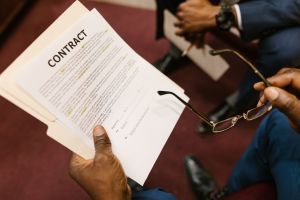
1. Put the Agreement in Writing
A buyer and seller may initially agree on the basics of a deal through a conversation, email, or text message.
But a real estate transaction needs to move from “we have a deal” to a written contract that accurately reflects what both sides agreed to.
The contract should address more than just the purchase price. Depending on the transaction, it may also cover:
- Earnest money
- Closing date
- Financing or cash terms
- Inspection rights
- Personal property included in the sale
- Tax prorations
- Possession
- Credits or other concessions
These details can have a significant effect on the seller even when the purchase price looks good.
2. Attorney Review
Once the contract is signed, the attorneys may review the agreement and address provisions that need to be clarified or modified.
Attorney review can involve issues such as inspection rights, financing, closing dates, possession, tax prorations, repairs, credits, or other transaction-specific terms.
For a FSBO seller, this is one of the reasons it can make sense to involve an attorney early rather than waiting until a problem develops.
3. Earnest Money
The contract should specify how much earnest money the buyer must deposit, when it must be delivered, and who will hold it.
In a traditional real estate transaction, the agents may help coordinate this process.
In a private sale, the buyer and seller need to make sure it is handled correctly rather than assuming someone else is taking care of it.

4. Inspections and Other Contingencies
If the contract gives the buyer an inspection contingency, the buyer may conduct an inspection and raise issues afterward.
That can lead to requests for repairs, credits, price adjustments, or other negotiations.
Depending on the transaction, there may also be financing, appraisal, condominium-document, or other contingencies that have to be satisfied before closing.
5. Title and Closing Preparation
After the contract is in place, work begins on getting the transaction ready to close.
That may include:
- Title work
- Mortgage payoff information
- Transfer documents
- Tax and assessment calculations
- Condominium or homeowners association documents
- Municipal requirements
- Closing statements and other closing documents
A significant amount of work can happen between signing the contract and sitting down at the closing table.
6. Closing
At closing, the final documents are signed, funds are transferred, existing liens or mortgages are paid off, and ownership of the property is transferred to the buyer.
Assuming there are no unresolved issues, this is the point where the transaction is finally complete.

Finding the Buyer Is Only the Beginning
One of the biggest misconceptions about selling a home without a real estate agent is that finding the buyer is the hard part and everything afterward is mostly paperwork.
Sometimes the opposite is true.
Once the buyer is found, the seller still has to turn the agreement into a transaction that actually closes.
That means getting the contract right, meeting disclosure obligations, addressing inspections and contingencies, resolving title issues, and making sure the closing is properly prepared.
If you are selling a Chicago-area home without a real estate agent, I created a Free Chicago FSBO Seller Starter Kit with practical information, forms, and resources to help you understand the process.
Download the Free Chicago FSBO Seller Starter Kit:
https://loftus-law.com/fsbo/
This article provides general information and is not legal advice. Every real estate transaction is different.
The post I Found a Buyer for My House. What Happens Next? appeared first on Real estate attorney in Chicago, Illinois.